Hot water accounts for a considerable share of household energy use, particularly in homes where showers, laundry and dishwashing run throughout the day. Canberra’s cold winters can place extra demands on domestic water heating, making system efficiency and reliable performance worth considering before the next upgrade. A heat pump hot water in Canberra homeowners can draw heat from the surrounding air to warm water, using electricity more efficiently than many conventional systems. Understanding how these systems work, what installation involves and which alternatives suit different properties can help households make a practical long-term decision.
How Heat Pump Water Heaters Work
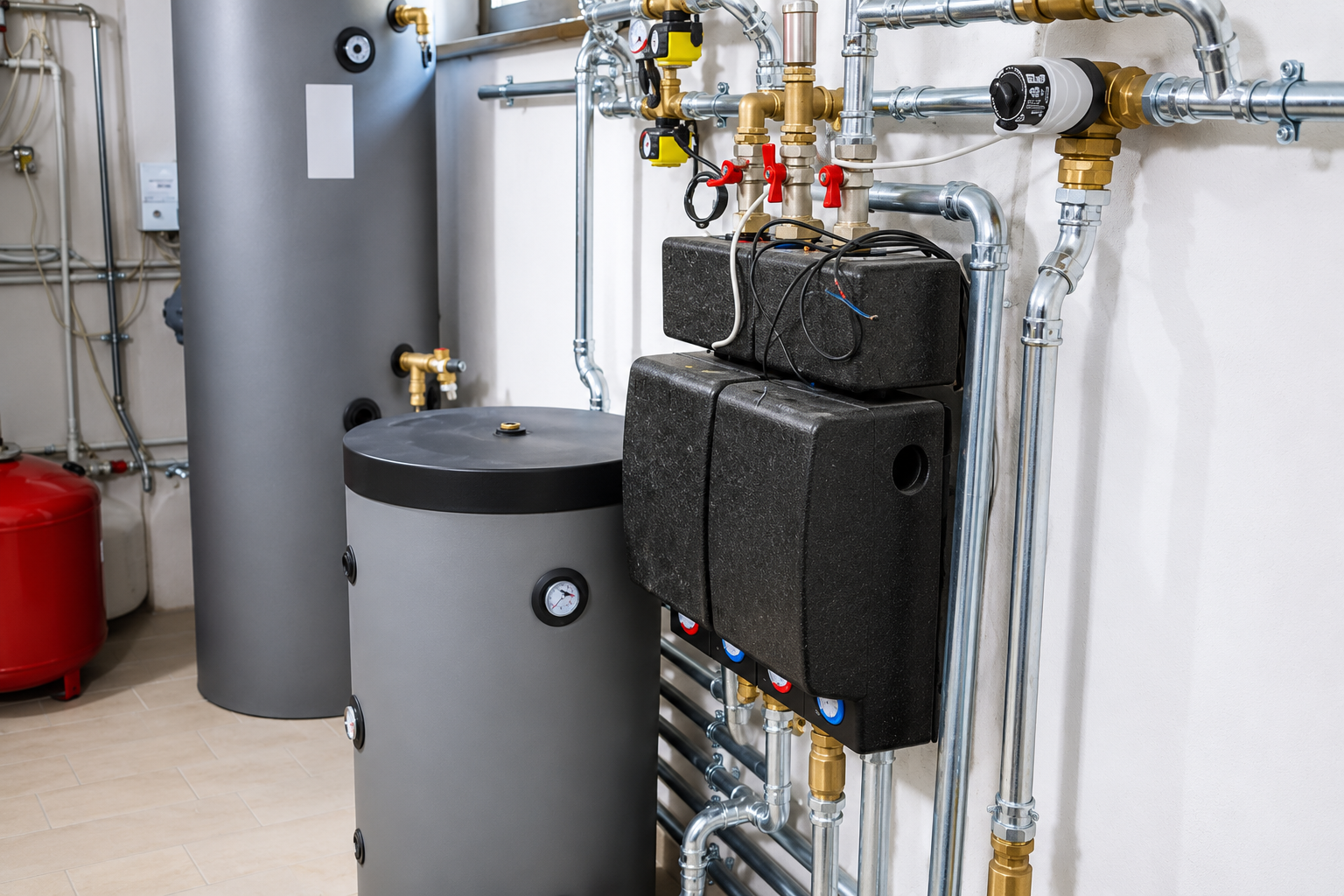
A heat pump water heater transfers heat from the surrounding air into a storage tank rather than generating all its heat directly through an electrical element. Its main components include an evaporator, compressor, refrigerant circuit and heat exchanger. The refrigerant absorbs heat from the air, and the compressor raises its temperature so that the heat can be transferred to the stored water.
This process can deliver several units of heat for each unit of electricity consumed under suitable operating conditions. Actual efficiency depends on outdoor temperatures, water-heating settings, system design and household demand.
Canberra’s winter climate deserves particular attention. Heat pumps can operate in cool weather, but their efficiency may fall as the air temperature drops. Some models use a supplementary electric element during colder conditions or periods of high demand. Checking the manufacturer’s operating-temperature range helps determine whether a particular unit suits the property.
Why Canberra’s Climate Matters
Winter mornings in Canberra can be particularly cold, and hot water demand often rises when household members take longer showers or use more hot water indoors. A suitable system must cope with these conditions without excessive electricity use or frequent reliance on backup heating.
Installation location can affect performance. An outdoor unit needs sufficient airflow and clearance around its air intake and outlet. A sheltered position may protect the equipment from some weather exposure, but it should not restrict ventilation. Installers should also consider noise near bedrooms, neighbouring properties and outdoor living areas.
The storage tank requires a stable, suitable base, and pipework should be insulated to reduce heat loss. Longer pipe runs can waste energy and delay hot water delivery at taps. A qualified installer can assess the available space, drainage, electrical supply and plumbing layout before recommending equipment.
Comparing Heat Pumps With Conventional Electric Systems
An electric hot water system in Canberra households already used may be straightforward to maintain, particularly if it has a standard storage tank and accessible components. Conventional electric resistance heaters convert electricity directly into heat. Their relatively simple construction can make them suitable for properties with limited installation options, although running costs may be higher than those of an efficient heat pump under comparable conditions.
Heat pumps generally require a larger initial investment and more careful consideration of placement. Their electricity consumption can be substantially lower, but the actual savings depend on the existing system, household usage, electricity tariffs and the performance of the selected model.
Households with rooftop solar may benefit by scheduling water heating during periods of strong solar generation, provided the system controls support this arrangement. A suitable timer or energy-management device can help use more self-generated electricity rather than importing power from the grid.
Before comparing quotations, check the storage capacity, energy consumption estimates, warranty terms, noise ratings and availability of local servicing. Comparing equipment on purchase price alone may overlook differences in long-term operating costs.
Choosing the Right Tank Capacity
A water heater that is too small may struggle during periods of heavy demand, while an oversized unit can increase purchase costs and standby heat losses. The appropriate capacity depends on the number of residents, shower habits, bath use, appliance requirements and the time available for reheating.
A household of two people may have different needs from a family of five, even if both properties have similar floor areas. Homes with multiple bathrooms may experience simultaneous demand in the morning, making recovery time as important as tank size.
Ask the installer to assess peak-hour usage rather than relying solely on household size. The assessment should account for the heat pump’s recovery performance in Canberra’s cooler weather and the contribution of any backup heating element.
When to Replace an Existing Hot Water Unit
Ageing equipment may show warning signs such as inconsistent temperatures, unusual noises, visible corrosion, water leaks or rising energy bills. A leaking storage tank often requires replacement, while faults involving thermostats, valves or heating elements may be repairable. A licensed professional can establish whether repair remains worthwhile.
Planning a hot water system replacement Canberra property owners need can also provide an opportunity to review energy use, tank capacity and installation constraints. Replacing a failed unit urgently may limit the available choices, so households with older equipment can benefit from obtaining quotes before a breakdown occurs.
Check the condition of the existing plumbing, electrical circuit and tempering valve during the assessment. A new system may require changes to pipework, drainage or electrical connections, and these costs should appear clearly in the quotation.
Installation, Safety and Ongoing Maintenance
Hot water systems must be installed in accordance with applicable Australian requirements and manufacturer instructions. Use appropriately licensed tradespeople for plumbing and electrical work, and confirm that the proposed installation meets relevant ACT requirements.
Safe water temperatures matter, particularly in homes with children, older residents or people with reduced mobility. Temperature control and tempering arrangements should be assessed by the installer to meet applicable safety requirements. Storage temperatures must also be managed in accordance with relevant rules for controlling Legionella risk.
Routine maintenance can extend equipment life and help preserve efficiency. Follow the manufacturer’s service schedule, keep air inlets and outlets clear, inspect the surrounding area for drainage problems and arrange professional checks when performance changes. Avoid attempting repairs to refrigerant circuits or electrical components yourself.
Ask about the warranty for both the storage tank and heat pump components. Confirm whether scheduled servicing is required to maintain warranty coverage and whether replacement parts are readily available in the Canberra region.
Estimating Running Costs and Potential Savings
A useful comparison starts with the household’s current energy consumption. Review electricity bills, the existing heater’s rating and typical hot water usage. Then request an estimate of the proposed unit’s annual electricity consumption under conditions representative of Canberra.
The calculation should include the electricity tariff, any controlled-load arrangement, likely backup-heater use and the effect of solar generation. Installation costs, maintenance and the expected service life also influence the overall financial case.
Eligible households may be able to access government incentives or energy-efficiency programs, but eligibility and scheme rules can change. Check current ACT and Australian Government information before including a rebate in the budget. Ask the supplier to show the quoted price before incentives as well as any discount or certificate value applied.
Making a Practical Choice for Your Home
A well-selected hot water system should meet daily demand, cope with Canberra’s winter conditions and fit the property’s available space. Heat pumps are worth comparing for households seeking lower electricity use, while conventional electric storage systems may remain suitable where upfront cost, installation limits or usage patterns favour a simpler arrangement.
Request itemised quotes from qualified local installers, including equipment specifications, installation work, warranty conditions and estimated running costs. A recommendation based on actual household demand and site conditions will provide a more reliable basis for choosing a system than a price comparison alone.