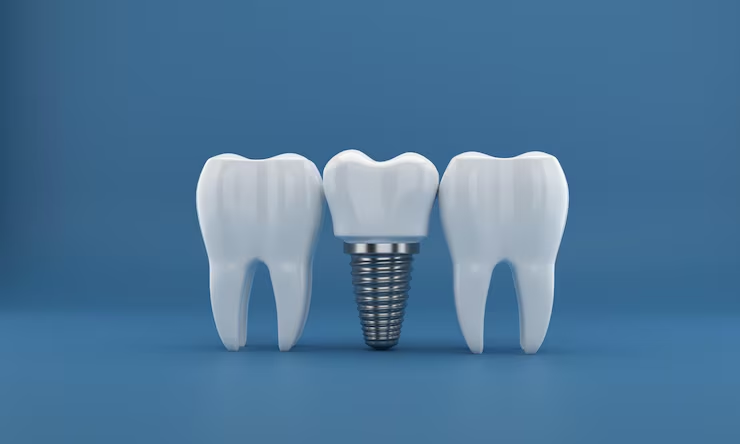
Traditional dentures replace visible teeth, but they do not replace the tooth roots that once stimulated the jawbone. After natural teeth are removed, the bone that supports them can gradually shrink because it no longer receives the same pressure and stimulation. This process, called bone resorption, can change facial shape, affect denture fit, and make chewing less comfortable. For patients considering denture implants Tysons, understanding what happens beneath the gums can help them make informed decisions about tooth replacement.
Why the Jawbone Changes After Tooth Loss
Your jawbone is living tissue. Natural tooth roots sit inside the jaw and transmit forces generated during biting and chewing. Those forces signal the surrounding bone that it needs to remain strong and functional.
Once a tooth is lost, that stimulation decreases significantly. The body gradually begins to remodel the bone in the area. The ridge that once held the tooth becomes narrower and shorter over time.
Traditional dentures rest on top of the gums rather than replacing tooth roots. They can restore much of the visible appearance of teeth and provide a surface for chewing, but they do not provide the same type of stimulation to the jawbone.
Bone loss does not happen in exactly the same way or at the same rate for every person. Factors such as the number of missing teeth, existing bone structure, oral health, denture fit, and general health can influence the process.
What Bone Resorption Can Change
Jawbone loss may seem like a hidden issue at first because it occurs beneath the gums. As the supporting bone changes, however, several noticeable effects can develop.
A shrinking jaw ridge can make traditional dentures less stable. Dentures that fit comfortably may begin to move while speaking or eating. Some patients may notice that their dentures feel loose, particularly around the lower jaw.
Changes in bone structure can also affect facial appearance. The jaw provides important support for the lips and lower face. As bone volume decreases, the lower portion of the face can appear less full, and facial contours may gradually change.
Another concern is chewing efficiency. A denture that moves during meals can make it harder to bite and chew certain foods comfortably. Pressure may also become concentrated in specific areas of the gums, creating soreness or irritation.
These changes are not simply cosmetic. The condition of the jawbone can influence denture stability, oral comfort, and future tooth replacement options.
Why Traditional Dentures Do Not Stop Bone Loss
Traditional dentures are designed to sit over the gums and replace the crowns of missing teeth. They can provide valuable functional and cosmetic benefits, but they do not anchor into the jawbone like natural tooth roots.
This distinction matters because the jaw responds to forces differently when tooth roots are absent.
Imagine the difference between pressing gently on the surface of the skin and applying pressure deeper into the structure underneath it. A conventional denture primarily transfers chewing forces through the gums and underlying tissues. A dental implant, by contrast, is placed within the jawbone and can provide stimulation closer to what a natural tooth root provides.
Traditional dentures therefore cannot be expected to preserve the jawbone in the same manner as an implant-supported restoration.
How Denture Fit Can Change as the Jaw Shrinks
A new denture is designed around the shape of the gums and jaw at the time it is made. As the underlying bone changes, the foundation supporting the denture can change as well.
This can lead to movement, reduced retention, and discomfort. Patients may find themselves adjusting how they chew or avoiding certain foods because their dentures do not remain securely positioned.
Some people use denture adhesive to improve retention. Adhesive may provide additional support, but it does not replace the underlying bone structure or stop bone resorption.
Regular dental evaluations can help identify changes in the oral tissues and determine if a denture needs adjustment, replacement, or a different type of support.
How Implant-Supported Dentures Address the Root Issue
Implant-supported dentures take a different approach tooth replacement. Instead of relying entirely on the gums for support, dental implants are placed into the jawbone and used to secure a denture or fixed restoration.
Because implants are anchored in bone, they can transmit functional forces to the surrounding tissue. This can help maintain bone around the implant site compared with areas that remain without tooth roots.
Patients considering dental implants Tysons corner may be interested in this distinction, especially if they have experienced loose dentures or progressive changes in their jaw structure.
Implant treatment is not automatically suitable for every patient. A dentist needs to evaluate the amount and condition of available bone, gum health, bite, medical history, and overall oral condition before recommending an implant-supported option.
Bone Health Matters Before Implant Treatment
Patients who have worn traditional dentures for an extended period may have experienced some degree of bone resorption. That does not automatically prevent them from receiving implants.
A dental examination can include imaging to assess the shape and volume of the jawbone. If there is not enough bone in a specific area, additional procedures may sometimes be considered before implant placement.
The treatment plan depends on the individual’s anatomy and oral health. Some patients may be candidates for implant-supported dentures without additional procedures, while others may need treatment to improve the available foundation.
This assessment is one reason a personalized evaluation is more useful than choosing a tooth replacement option based only on appearance.
Signs Your Dentures May Need Evaluation
Changes in denture comfort can provide clues that the supporting tissues have changed. Patients should consider arranging a dental evaluation if they notice:
- Dentures moving or slipping during normal activities
- Repeated gum irritation or sore spots
- Difficulty chewing foods that were previously comfortable
- Changes in facial appearance around the mouth or lower face
- Frequent need for denture adjustments or adhesive
These symptoms do not always mean significant bone loss is present. A dental professional can examine the fit of the denture and the condition of the gums and jaw.
See also: The Benefits of Automation for Small Businesses
What Patients in Tysons Corner Should Consider
For people searching for dental implants Tysons corner VA, the decision should begin with an examination rather than simply selecting a restoration. The condition of the jawbone, existing dentures, gums, bite, and remaining teeth all influence the appropriate treatment.
Patients who have worn dentures for years may also benefit from discussing how bone changes could affect future treatment. Addressing concerns earlier can give the dental team more information for planning.
At G4 Dental Implants, implant treatment can be discussed in the context of the patient’s existing oral condition, denture experience, and goals for tooth replacement. A detailed assessment helps determine the most suitable path rather than assuming the same approach will work for everyone.
Can Dental Implants Help Preserve Jawbone?
Dental implants can help preserve the bone surrounding the implant because they provide stimulation through the jaw during normal function. This is one of the major differences between implant-supported restorations and traditional dentures.
However, an implant does not restore bone throughout the entire jaw. Bone preservation is generally associated with the areas receiving implant support. Areas that remain without tooth roots can still experience resorption.
This distinction is useful for patients comparing traditional dentures with implant-supported options. The goal is not simply to create a secure denture. It is also to consider how the chosen restoration interacts with the underlying oral structures.
Choosing the Right Path for Your Smile
Traditional dentures remain a useful option for many people and can restore the appearance and basic function of missing teeth. Their limitation is that they cannot replace the role of natural tooth roots in stimulating the jawbone.
For patients experiencing loose dentures, ongoing irritation, chewing difficulties, or changes in facial structure, an evaluation can clarify what is happening beneath the gums. Patients searching for dental implants Tysons may also want to ask specifically about implant-supported dentures and how their current bone condition affects treatment planning.
The right restoration depends on individual anatomy, oral health, functional needs, and personal preferences. A careful examination provides the information needed to compare options realistically.
Protecting Your Oral Foundation
Losing teeth affects more than a visible smile. The jawbone responds to the absence of tooth roots, and traditional dentures do not provide the same stimulation that natural teeth or implants provide. Over time, bone resorption can influence denture stability, chewing comfort, and facial support.
Schedule an appointment now to have your jawbone, gums, existing denture, and implant options assessed. With the right information, you can choose a restoration that supports both daily function and long-term oral health. For patients in Tysons Corner who are noticing changes in their dentures or want to understand their tooth replacement choices, a dental evaluation is a practical place to begin.