Stains are a common part of everyday life. A splash of coffee on a shirt, a greasy mark from lunch, or a spot of sauce on a tablecloth can leave clothing looking less presentable. While some stains disappear during a regular wash, others need attention before the garment goes into the washing machine. Having a simple stain-treatment method at home can make these small accidents easier to manage.
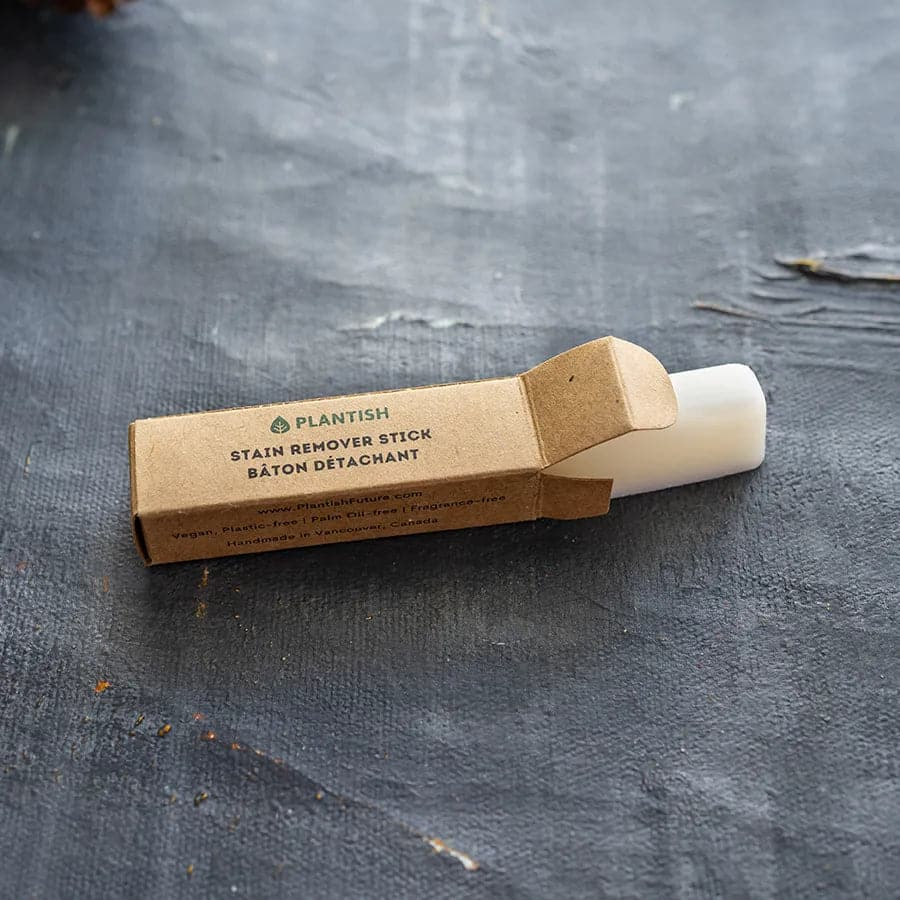
A stain remover stick is one option for dealing with marks on clothing and other washable fabrics. Its compact design makes it convenient to keep in a laundry cupboard, handbag, travel kit, or desk drawer. Instead of treating every mark with the same method, users can apply a suitable product directly to the affected area and then follow the recommended washing instructions.
Understanding how stain remover sticks work, which stains they may help address, and how to use them carefully can make laundry routines more efficient.
What Is a Stain Remover Stick?
A stain remover stick is a concentrated cleaning product designed for direct application to a stained area. Depending on the formulation, it may contain cleaning agents that help loosen residue from fabric so it can be removed during washing.
Unlike liquid stain treatments that need to be poured or sprayed, a stick format allows the user to apply the product to a specific spot. This can make it easier to target small marks without covering a large section of clothing.
Stain remover sticks are often used for everyday spills involving food, drinks, oils, and other common substances. However, their effectiveness depends on the product’s ingredients, the type of stain, the fabric, and how long the mark has been present. No single stain treatment works equally well on every material or stain.
Why Keep a Stain Remover Stick at Home?
Convenient for Small Stains
Small marks do not always justify washing an entire garment immediately. A stain treatment product can help prepare the affected area for laundering when the fabric and product instructions allow it. A stick is especially useful for treating isolated spots rather than soaking a whole item.
Easy to Store and Carry
A compact product takes up little space and can be stored with everyday laundry supplies. It may also be useful when travelling, eating outside the home, or spending long hours at work. Treating a spill promptly can be easier when the necessary supplies are within reach.
A Targeted Approach to Laundry
Applying a product directly to a stain allows you to focus on the area that needs attention. This is often more practical than using a broad treatment for a small mark. The key is to follow the product directions rather than assuming that more product or more scrubbing will produce better results.
Useful for Everyday Fabric Care
Clothing, napkins, pillowcases, and other washable textiles can develop marks through regular use. A suitable stain treatment may help loosen certain residues before washing, potentially reducing the need to repeat the same laundry cycle. Results will vary depending on the stain and material.
Common Stains and How to Approach Them
Different stains respond to different treatments. Identifying what caused the mark is a useful first step.
Food and Sauce Stains
Food spills can leave behind coloured residue, oils, or a combination of both. Remove any solid material gently without spreading it across the fabric. Check the garment label and the stain remover’s instructions before applying a treatment.
Avoid rubbing aggressively, particularly on delicate fabrics. Vigorous friction can push residue deeper into the fibres or damage the surface.
Coffee and Tea Marks
Coffee and tea may leave noticeable brown marks, especially on light-coloured clothing. If a spill happens, gently blot excess liquid with a clean cloth or paper towel. Avoid rubbing the area back and forth.
Treat the stain according to the product instructions, then wash the garment as recommended on its care label. Older stains may require a different approach and may not disappear completely.
Grease and Oil
Cooking oil, salad dressing, and greasy food can leave marks that remain visible after an ordinary wash. Remove excess material carefully, taking care not to spread it. Use a stain treatment that is suitable for the fabric and the type of mark.
Check the result before placing the garment in a dryer. Heat can make some remaining stains more difficult to remove.
Makeup and Personal-Care Products
Foundation, lipstick, and some lotions may contain oils, pigments, or waxes. Their composition can affect which treatment is appropriate. Remove excess product gently, test the chosen cleaner on an inconspicuous area, and follow its instructions.
For delicate, expensive, or dry-clean-only garments, professional cleaning may be a safer choice than experimenting with a home treatment.
How to Use a Stain Remover Stick Correctly
Using a stain remover stick carefully can help protect the fabric and improve the chance of removing a mark.
1. Check the care label. Before treating the garment, confirm the recommended washing method and any restrictions. Some fabrics require special care and may not be suitable for ordinary stain treatments.
2. Remove excess residue. Lift away solid food or other material with a spoon or blunt edge. For liquid spills, blot gently with a clean, absorbent cloth. Avoid spreading the stain.
3. Test the product first. Apply a small amount to a hidden section of the garment if the product instructions permit it. Check for colour changes, fading, or other unwanted effects before treating the visible area.
4. Apply as directed. Use the stain remover stick according to the label. Some products require a specific amount, contact time, or rinsing step. Do not leave the product on fabric longer than recommended.
5. Wash appropriately. Follow the garment’s care instructions and the stain remover’s directions. Use the recommended water temperature rather than assuming that hotter water is always better.
6. Inspect before drying. Check the treated area after washing. If the stain remains, avoid ironing or machine-drying the item until you have considered whether another treatment is appropriate. Heat may set certain stains, making them harder to address later.
Choosing the Right Stain Remover Stick
Not all stain removers have the same formulation or intended use. A little label-checking can help you select a product that suits your household.
Look at the intended stain types. Check whether the product is designed for food, grease, beverage marks, or general laundry use. Do not assume it will work on every stain.
Check fabric compatibility. Clothing may be made from cotton, polyester, wool, silk, blends, or specialty materials. A treatment suitable for one fabric may not be appropriate for another.
Read the application instructions. Consider how the product should be applied, how long it should remain on the fabric, and whether the area needs rinsing before washing.
Consider portability. A compact stick may be practical for travel or quick access outside the laundry room. Make sure the packaging is secure and store the product as directed.
Review safety information. Read the label for handling precautions, storage requirements, and instructions for avoiding contact with eyes or skin. Keep cleaning products away from children and pets unless the packaging specifies otherwise.
For a convenient option to explore, you can view the stain remover stick from Plantish Future and review its product details and directions before use.
Mistakes to Avoid When Treating Stains
A few common habits can make stain removal less effective or risk damaging clothing.
- Rubbing too hard: Aggressive scrubbing can damage fibres and spread the mark.
- Using an untested product: Some treatments can affect dyes, finishes, or delicate materials.
- Ignoring the care label: A garment’s washing restrictions matter as much as the stain treatment itself.
- Applying several cleaners together: Mixing cleaning products can be unsafe. Use one product at a time and follow its directions.
- Using heat too early: Drying or ironing a garment before checking the stain may make some marks harder to remove.
- Expecting instant results: Set-in stains, dyes, and certain oils may need specialist treatment, and some marks may be permanent.
If a garment is valuable, fragile, or labelled for dry cleaning only, consult a professional cleaner rather than risking damage.
Caring for Clothes Beyond Stain Removal
Stain treatment works best as part of a thoughtful laundry routine. Address spills as soon as practical, separate garments according to colour and care requirements, and avoid overloading the washing machine. Use detergents and washing temperatures appropriate for the fabrics being cleaned.
It is also worth checking clothing before putting it away. A faint mark that is difficult to notice when fabric is wet may become more obvious after drying. Inspecting items after washing gives you a chance to decide whether additional treatment is needed.
Store stain-care products in a cool, appropriate location and keep their instructions available. Replace products that are expired or no longer in usable condition according to the manufacturer’s guidance.
Conclusion
A stain remover stick can be a practical addition to a home laundry kit, especially for small, everyday marks that benefit from targeted treatment before washing. Its convenience makes it easy to keep nearby, but good results still depend on choosing a suitable product, identifying the stain, and respecting the fabric’s care requirements.
By blotting spills promptly, testing treatments on hidden areas, following label directions, and checking garments before applying heat, you can approach common stains with greater care. For stains that resist treatment or involve delicate materials, professional advice may help prevent unnecessary damage. A simple, consistent routine is often the most useful starting point for keeping washable fabrics looking their best.

