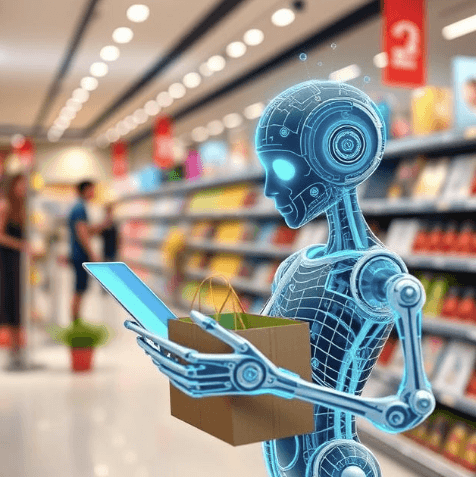
Artificial intelligence in retail drives efficiency, enhances decision accuracy, and strengthens competitive positioning. Automation handles routine tasks, while demand signals, pricing signals, and inventory data inform smarter planning. Personalization is scaled through real-time insights, supporting consistent cross-channel experiences. A governance-guided approach with pilots and clear KPIs helps manage risk and ethics. The result is data-driven productivity with measurable ROI, but implications for operations and strategy warrant continued scrutiny as deployment expands.
How AI Drives Retail Efficiency and Productivity
AI-powered systems enhance retail efficiency and productivity by automating routine tasks, optimizing inventory, and enabling dynamic staffing.
In controlled analyses, AI adoption correlates with reduced stockouts and improved throughput across retail operations.
Data-driven models forecast demand, streamline scheduling, and monitor performance metrics, guiding strategic decisions.
The result is measurable gains in consistency, scalability, and operational resilience within competitive markets.
Personalization at Scale: Tailoring Every Shopper’s Experience
Personalization at scale enables retailers to tailor experiences across channels by leveraging granular customer data, real-time signals, and automated decisioning. This approach supports consistent messaging, cross-channel relevance, and measurable ROI.
Personalization strategies translate insights into actions, while customer segmentation enables precise targeting.
The result is scalable engagement, improved conversion, and a data-driven foundation for freedom-oriented shoppers who value choice and transparency.
Smarter Decisions: AI for Demand, Pricing, and Inventory
Smarter decisions in retail hinge on the ability to forecast demand, optimize pricing, and manage inventory with precision. AI enables rigorous demand forecasting, aligning stock with anticipated cycles and market signals. Price optimization adjusts margins in real time, considering elasticity and competitive context. Inventory intelligence reduces waste, improves turnover, and supports resilient operations across channels, sustaining freedom through data-driven strategic control.
Implementing AI in Retail: Practical Steps and Best Practices
Implementing AI in retail requires a structured, evidence-based approach that builds on prior gains in demand forecasting, pricing optimization, and inventory control. Practitioners should align goals with measurable KPIs, pilot in controlled environments, and scale on proven success. Emphasize ai ethics and data governance, ensuring transparency, accountability, and robust data stewardship while maintaining agility for strategic, freedom-oriented decision-making.
Frequently Asked Questions
What Are the Upfront Costs of AI Implementation in Retail?
Initial upfront costs vary, but generally include hardware, software licenses, integration, and data preparation, with ongoing maintenance. The cost-benefit hinges on scale and accuracy gains; scalability issues may require phased deployment and ROI tracking for informed budgeting.
How Does AI Affect Store Job Roles and Training Needs?
AI redefines store roles and training needs, shifting tasks toward analytics and oversight; integration challenges, data security, vendor selection, and ROI considerations shape workforce strategies while prioritizing customer privacy and fraud prevention across operations.
Can Ai-Powered Systems Guarantee Fraud Prevention in Retail?
Answering the question: AI-powered systems cannot guarantee fraud prevention. A statistic shows 60% reduction potential with layered controls. They support AI fraud coverage and Retail risk assessment, but human oversight remains essential for unpredictable scenarios and adaptation.
How Is Customer Data Privacy Managed With AI?
Data minimization and consent management govern ai-driven profiling, ensuring privacy by design and robust data governance; organizations minimize collection, transparently inform users, and secure data lifecycle controls, balancing analytical value with user autonomy and freedom.
See also: weaehgashop
What Are the Most Common AI Vendors for Small Retailers?
Amid a crowded bazaar, the common AI vendors for small retailers span major platforms and nimble startups. Vendor breadth, startup readiness, data partnerships, and budget planning shape choices, guiding freedom-seeking merchants toward scalable, data-driven, strategic implementations.
Conclusion
In this ledger of modern retail, AI acts as a tireless analyst, tallying stock, predicting surges, and personalizing offers with clinical precision. The data speaks in graphs and dashboards, while managers translate signals into actionable plans. Yet the satire remains: a cashier’s chalkboard forecasting demands as if destiny were a spreadsheet. The result is a disciplined, scalable system where efficiency and customer value converge, provided governance and ethics keep pace with speed and scale.