A well-planned workplace depends on more than desks, chairs, and storage cabinets. Furniture must be assembled correctly, positioned for daily use, and arranged to support employee movement, safety, and productivity. Poor installation can lead to unstable workstations, blocked walkways, damaged furniture, and delays in opening or renovating an office.
Business furniture installation covers the practical work involved in setting up furniture across offices, retail stores, educational facilities, healthcare buildings, and other commercial environments. The process may include unloading deliveries, assembling individual units, securing fixtures, arranging workstations, and checking that everything is ready for use.
For businesses managing a new office or upgrading an existing workplace, understanding the installation process helps control costs, avoid unnecessary disruption, and make better use of available space.
Why Commercial Spaces Need Proper Furniture Installation
Commercial furniture often differs from residential furniture in scale, quantity, and complexity. A single project might involve dozens of workstations, conference tables, filing cabinets, reception counters, and collaborative seating areas. Each item must fit the floor plan and meet the requirements of its intended use.
Correct installation helps prevent common problems, including loose fittings, uneven desks, incorrectly assembled storage units, and furniture placed too close to emergency exits. It also reduces the likelihood of damage caused by repeated movement or improper handling.
Workplace layout deserves equal attention. Employees need sufficient room to move between desks, access shared equipment, and reach meeting areas without obstruction. Storage furniture should remain accessible, while reception areas must accommodate visitors comfortably.
Businesses should consider these requirements before furniture arrives. A clear installation plan makes it easier to identify access restrictions, prepare the site, and coordinate work around employees or other contractors.
What the Furniture Installation Process Involves
A successful installation usually begins before the assembly team reaches the property. Preparation helps avoid missing components, unsuitable placements, and delays caused by restricted access.
Site Inspection and Layout Planning
The installation team reviews the floor plan, measures available space, and identifies the intended position of each furniture item. Doorways, lifts, staircases, electrical outlets, floor boxes, and existing fixtures may affect where furniture can be placed.
For large offices, the layout should reflect the number of employees, the type of work performed, and the need for private or shared spaces. Conference rooms may require cable access for presentation equipment, while open-plan offices need consistent desk spacing and accessible circulation routes.
Delivery Coordination and Inventory Checks
Furniture deliveries should be checked against the purchase order and product list. Installers can identify missing parts, damaged panels, incorrect finishes, or unsuitable items before assembly begins.
Packaging and delivery materials also require attention. A designated staging area keeps components organized and prevents cartons from blocking corridors or work areas.
Assembly and Positioning
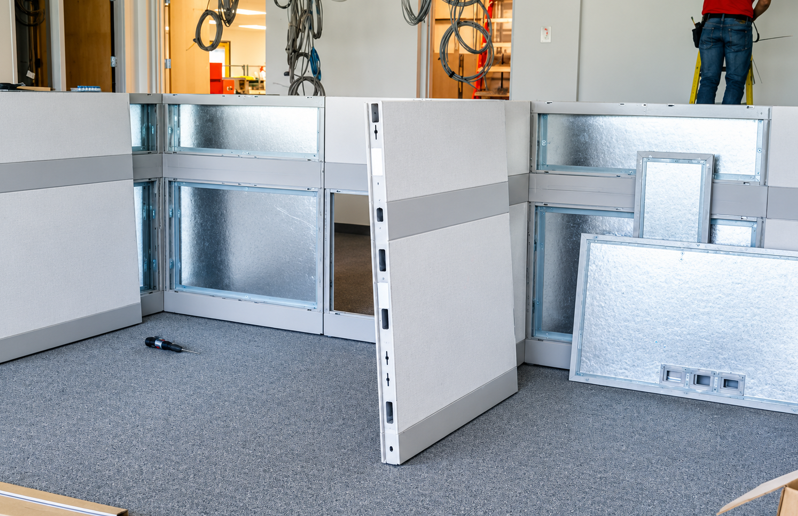
During assembly, installers follow the manufacturer’s instructions and use the correct fasteners, brackets, tools, and fittings. Large cabinets, modular desks, and shelving systems may require additional support or anchoring according to the product specifications and site conditions.
Once assembled, furniture is moved into its planned position. Doors and drawers should open freely, desks should sit level, and adjustable components should operate correctly. Final checks help identify problems before employees begin using the space.
Selecting Office Furniture Installation Services
Choosing suitable office furniture installation services requires more than comparing prices. Businesses should assess the provider’s experience with similar projects, the number of items involved, the complexity of the furniture, and the conditions at the installation site.
A provider experienced in small office setups may not have the resources needed for a multi-floor corporate project. Large installations can require multiple teams, delivery coordination, project scheduling, and communication with building management.
Before confirming an agreement, businesses should ask for a clear breakdown of the work included. This may cover delivery handling, assembly, placement, packaging removal, debris disposal, and final inspection. Some providers charge separately for wall anchoring, after-hours work, or moving furniture between floors.
Insurance and worker safety practices also deserve attention. Installers may need to work around glass partitions, electrical equipment, elevators, and occupied work areas. A provider should understand site access rules and follow appropriate lifting and handling procedures.
References from previous commercial projects can help businesses assess reliability. Ask about punctuality, damage prevention, communication, and how the provider handled missing parts or unexpected site conditions.
The Role of Commercial Furniture Assembly in Workplace Readiness
Commercial furniture assembly involves putting furniture components together according to product specifications. Although some products appear straightforward, large installations can involve numerous fittings, modular connections, adjustable mechanisms, and load-bearing components.
Assembly errors can affect stability and usability. For example, incorrectly fitted drawer runners may prevent storage units from closing properly, while loose desk connections can cause movement during normal use. Tall shelving units may also require appropriate anti-tip measures.
Different furniture types need different levels of care. Height-adjustable desks require checks of their lifting mechanisms and controls. Conference tables may need careful handling because of their size and weight. Modular workstations must be connected consistently so that adjoining units remain aligned.
Businesses should avoid assuming that every item can be assembled using the same method. Manufacturer instructions, product warranties, and any specified installation requirements should guide the work.
A final inspection should cover fasteners, moving parts, stability, surface condition, and the placement of accessories. Damaged or incomplete items should be recorded and reported rather than put into service without review.
Planning a Commercial Furniture Installation Project
A detailed project plan helps businesses reduce downtime and keep installation work organized. The schedule should account for delivery dates, site readiness, building access, and the amount of furniture involved.
For an occupied office, installation may take place outside normal working hours or in separate phases. Departments can temporarily relocate while their furniture is installed, allowing the rest of the workplace to continue operating.
The installation area should be cleared of unnecessary equipment and personal belongings. Building management may need advance notice for loading-bay access, lift reservations, parking, or contractor entry. In shared buildings, these arrangements can prevent delays and conflicts with other tenants.
Businesses should also identify who will approve the completed work. A designated contact can confirm the layout, record missing items, and communicate any changes to the installation team.
Budget planning should include more than labour charges. Delivery fees, parking, waste removal, access equipment, additional fixings, and after-hours work may affect the final cost. Requesting an itemized quotation makes it easier to compare providers and identify potential extra charges.
See also: The Benefits of Automation for Small Businesses
How to Evaluate a Furniture Assembly Business
A reliable furniture assembly business should be able to explain its working process, staffing arrangements, pricing structure, and approach to quality control. Businesses should look for providers that understand commercial environments rather than relying solely on general assembly experience.
Ask whether the team has handled comparable furniture brands, workstation systems, storage units, or large-volume projects. Experience with the specific products being installed can reduce assembly errors and unnecessary delays.
The provider should also explain how it handles unexpected issues. Missing components, damaged furniture, inaccurate floor plans, and restricted access can affect a project. A clear process for reporting problems and arranging replacements helps prevent disputes.
Written documentation is useful throughout the project. The agreement should identify the scope of work, expected completion date, payment terms, responsibilities for damaged goods, and any exclusions. Businesses should also confirm whether follow-up visits are available if adjustments are required after installation.
A low quotation may not represent the lowest overall cost if it excludes essential tasks or leaves the business responsible for unfinished work. Comparing the full scope, relevant experience, and service terms provides a more dependable basis for choosing a provider.
Safety and Maintenance After Installation
Furniture safety checks should take place before the workspace opens. Walkways and emergency exits must remain clear, storage units should be stable, and heavy items should be positioned according to the manufacturer’s guidance. Furniture must not obstruct fire equipment or create hazards around electrical connections.
Employees should receive basic instructions for adjustable desks, movable partitions, filing systems, and other equipment that requires correct operation. Clear guidance helps reduce misuse and avoidable damage.
Routine maintenance can extend furniture life. Periodic checks should look for loose fasteners, damaged surfaces, unstable legs, worn castors, and malfunctioning adjustment mechanisms. Any defective item should be taken out of use until it has been assessed and repaired appropriately.
Businesses should also retain product manuals, warranty details, installation records, and contact information for the service provider. These documents can help when replacement parts are needed or when furniture must be moved during a future office reorganization.
Creating a Workplace That Is Ready for Daily Use
A commercial workspace should be ready for employees to use safely from the first day. Careful planning, correct assembly, accurate placement, and thorough inspection help businesses avoid preventable problems and make better use of their premises.
Choosing a qualified installation provider also gives businesses a clearer understanding of project costs, timelines, and responsibilities. By addressing access requirements, furniture specifications, safety checks, and post-installation maintenance early, organizations can create workspaces that support daily operations and remain practical as their needs change.