Creating a comfortable workout space at home can make it easier to maintain a consistent fitness routine. Pilates is a popular exercise method that focuses on controlled movements, core strength, flexibility, balance, and body awareness. With the right equipment, people can practise a wide range of exercises without needing to travel to a fitness studio.
Choosing among the best home Pilates machines depends on individual fitness goals, available space, experience level, and preferred exercise style. Some machines are designed for beginners who want to develop foundational strength, while others offer adjustable resistance and a wider range of movements for more advanced routines. Understanding these differences can help you select equipment that supports your long term fitness needs.
Understanding the Benefits of Pilates at Home
Pilates combines controlled movements with focused breathing and proper alignment. Unlike exercise routines that prioritise speed or heavy lifting, Pilates encourages precision and awareness throughout each movement.
Practising at home offers several practical advantages.
Greater Convenience and Flexibility
Home workouts allow you to exercise according to your own schedule. You can plan a short morning session, practise after work, or divide your routine into manageable periods throughout the day.
This flexibility can be particularly useful for people balancing professional responsibilities, family commitments, and personal fitness goals.
A More Personalised Exercise Experience
Having your own equipment allows you to choose exercises based on your comfort and experience. You can repeat familiar movements, gradually explore new exercises, and adjust resistance when the equipment supports that feature.
A personalised routine may include:
- Core strengthening exercises
- Controlled leg and arm movements
- Flexibility and mobility exercises
- Balance and coordination practice
- Gentle movements that support body awareness
Consistency Without Travel
A home exercise area removes the need to commute to a studio for every session. Keeping equipment accessible may make it easier to establish a regular routine and develop sustainable exercise habits.
Consistency is often more valuable than occasional intense workouts. Starting with manageable sessions and increasing the duration gradually can help you build a routine that fits your lifestyle.
Types of Home Pilates Machines to Consider
Different types of Pilates equipment support different movements. Before making a purchase, it is helpful to understand how the main options work and which features match your needs.
Pilates Reformers
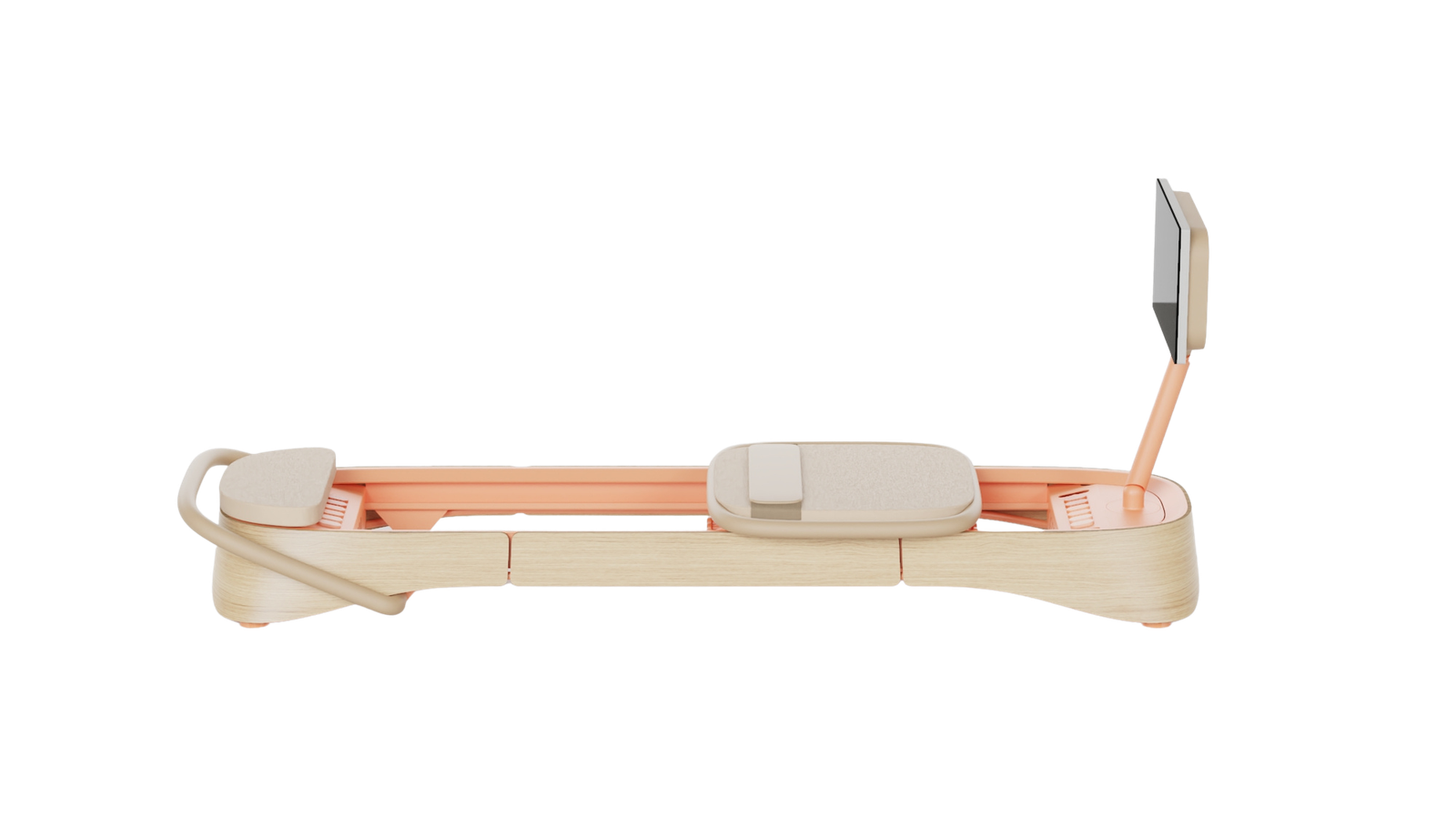
A Pilates reformer typically includes a sliding carriage, a frame, springs or another resistance mechanism, straps, and a footbar. The carriage moves along the frame as you perform exercises while lying down, sitting, kneeling, or standing.
Resistance can help make movements more challenging or provide controlled assistance, depending on the exercise and equipment settings.
Reformers can support a broad range of exercises involving the legs, arms, trunk, and overall body coordination. However, their size, setup requirements, and cost vary considerably.
When considering a reformer, examine:
- Frame construction and overall stability
- Smoothness of carriage movement
- Resistance adjustment options
- Footbar and strap positioning
- Maximum supported user weight
- Storage requirements and available accessories
A reformer can be suitable for different experience levels, provided the equipment is appropriate and exercises are performed with correct technique.
Compact Pilates Machines
Compact machines are designed for people who have limited room for exercise equipment. Some use sliding platforms, resistance cords, or adjustable components to provide a selection of Pilates inspired movements.
Their smaller dimensions may make them easier to store in an apartment, spare room, or multipurpose workout area.
Before selecting a compact model, consider whether its available movements match your goals. A smaller machine may be convenient, but it may not offer the same range of adjustments or exercises as a full sized reformer.
Pilates Chairs
Pilates chairs use a raised platform, pedals, and resistance mechanisms to support controlled movements. Depending on the design, exercises can involve sitting, standing, or using the arms and legs to control pedal movement.
These machines can be useful for people seeking variety in a relatively small footprint. However, some chair exercises require considerable balance and coordination, so beginners should learn the correct technique before attempting challenging movements.
Resistance Based Pilates Equipment
Some home Pilates systems use resistance bands, springs, cables, or similar mechanisms rather than a traditional sliding carriage.
These options may support a variety of exercises while requiring less space than a full reformer. Their suitability depends on resistance levels, attachment points, construction quality, and the movements you want to perform.
Always inspect resistance components for wear and follow the manufacturer’s instructions for setup and use.
Best Home Pilates Machines for Different Fitness Goals
The right equipment depends on what you want to achieve. There is no single machine that works equally well for everyone.
For Beginners
Beginners generally benefit from equipment that is stable, comfortable, and easy to adjust. A straightforward design can make it easier to understand basic movements without becoming distracted by complicated settings.
Look for:
- Clear resistance adjustment instructions
- Comfortable padding and secure support surfaces
- A stable frame that does not shift during use
- Simple assembly and maintenance requirements
- Instructions that explain safe exercise positions
Starting with foundational movements helps you develop coordination and confidence before progressing to more demanding exercises.
For Core Strength
Pilates places considerable emphasis on controlled trunk movement and core engagement. Reformers and other resistance based machines can support exercises that challenge the abdominal muscles, back, and surrounding stabilising muscles.
The effectiveness of a routine depends on movement quality, appropriate resistance, and consistent practice rather than equipment alone.
Choose a machine that allows you to maintain a comfortable body position and control the movement without excessive strain.
For Flexibility and Mobility
Controlled Pilates movements can help develop flexibility and improve awareness of how the body moves through different positions.
Equipment with adjustable resistance and sufficient movement range may support exercises involving the hips, shoulders, legs, and spine.
Avoid forcing a stretch or moving beyond a comfortable range. If you have an existing injury or persistent pain, seek advice from an appropriately qualified healthcare professional before beginning a new routine.
For Full Body Training
People who want to work several muscle groups may prefer equipment that supports exercises for both the upper and lower body.
A reformer can offer a broad selection of movements, including leg presses, arm exercises, controlled trunk movements, and selected balance challenges.
Before purchasing, check the available attachments and exercise instructions to determine whether the machine can support the variety you want.
Important Features to Compare Before Buying
Equipment specifications can look similar at first glance, but small differences can affect comfort, usability, and long term satisfaction.
Build Quality and Stability
A Pilates machine should feel stable during its intended exercises. Examine the frame, joints, moving components, and support surfaces.
If purchasing online, review the manufacturer’s specifications and assembly instructions. Look for clear information about materials, weight limits, maintenance, and warranty coverage.
Resistance Options
Resistance affects how challenging a movement feels. Some machines offer several spring settings, while others use bands, cables, or different resistance mechanisms.
Choose a system that allows appropriate adjustments for your current ability and potential progression. More resistance is not automatically better, particularly for beginners learning movement control.
Size and Storage
Measure the intended workout area before ordering equipment. Consider the machine’s full operating dimensions rather than its folded or stored size alone.
Allow enough room for mounting, dismounting, and moving safely around the equipment. If you share your home with children or pets, consider how the machine can be stored securely between sessions.
Comfort and Adjustability
Padding, strap length, footbar positions, and carriage movement can affect the overall experience.
Where possible, check whether components can be adjusted to accommodate your height and preferred exercises. A machine that fits your body properly is generally easier to use with good technique.
Assembly and Maintenance
Some machines require substantial assembly, while others arrive mostly assembled. Check whether the package includes the tools, instructions, and accessories needed for setup.
Regular maintenance may involve cleaning contact surfaces, checking fasteners, inspecting resistance components, and following the manufacturer’s guidance for moving parts.
How to Set Up an Effective Home Pilates Space
The environment around your equipment can influence how comfortably you exercise.
Choose a Suitable Location
Select a level surface with adequate ventilation and lighting. Avoid placing equipment where the carriage, pedals, or other moving parts could strike furniture or walls.
A dedicated space is helpful, but a carefully arranged multipurpose room can work just as well.
Keep Essential Items Accessible
Organise your exercise area so that you can begin a session without unnecessary preparation.
Useful items may include:
- A water bottle
- A clean towel
- A non slip mat where appropriate
- Exercise instructions or a training plan
- A small storage area for accessories
Keep walkways clear and store loose equipment safely after each session.
Establish a Realistic Schedule
A regular schedule is easier to maintain when it fits your daily responsibilities. Beginners may start with short sessions and increase their frequency or duration according to their comfort and recovery.
Focus on learning movements correctly before increasing the complexity of your workouts.
Common Mistakes to Avoid When Choosing Equipment
Purchasing equipment without considering your actual needs can lead to unnecessary expense or limited use.
Some common mistakes include:
- Choosing a machine based on appearance rather than functionality
- Ignoring the available floor space
- Overlooking maximum user weight specifications
- Selecting resistance that is too challenging for your current ability
- Assuming every machine supports the same exercises
- Forgetting to check warranty terms and replacement components
- Buying accessories without confirming compatibility
A thoughtful comparison can help you avoid these problems and select equipment that remains useful as your skills develop.
How to Maintain Your Pilates Machine
Proper care helps keep exercise equipment in good working condition.
After each session, wipe down the surfaces that come into contact with your body. Check the frame and moving components periodically for visible damage, loose fittings, or unusual movement.
Follow the manufacturer’s recommendations for cleaning, lubrication, and maintenance. Do not modify springs, cables, straps, or other resistance components unless the manufacturer specifically permits it.
If you notice fraying, cracks, instability, or unusual noises, stop using the machine until the issue has been assessed and resolved.
FAQs
1. Which Pilates machine is best for home workouts?
The best choice depends on your goals, available space, experience, and budget. A reformer offers a broad selection of exercises, while compact machines and Pilates chairs may suit people who need a smaller setup.
2. Are Pilates machines suitable for beginners?
Yes, many machines can be used by beginners when they are properly adjusted and exercises are introduced gradually. Learning basic movement techniques and following the manufacturer’s instructions can help you exercise more safely.
3. How much space do I need for a Pilates machine?
Space requirements depend on the machine’s dimensions and the movements you intend to perform. Measure the full operating area and leave enough clearance for safe mounting, dismounting, and movement around the equipment.
4. Can Pilates equipment support full body workouts?
Many machines support exercises for the arms, legs, trunk, and stabilising muscles. The range of available movements depends on the design, resistance system, and compatible accessories.
5. How often should I use a Pilates machine?
Your schedule should reflect your experience, fitness level, recovery, and personal goals. Consistent, manageable sessions are a sensible starting point. Increase training demands gradually and allow recovery when needed.
6. What should I check before buying a home Pilates machine?
Review stability, resistance options, dimensions, comfort, maximum user weight, assembly requirements, warranty coverage, and the manufacturer’s safety guidance. Confirm that the machine supports the exercises you plan to practise.
Final Thoughts
Choosing suitable Pilates equipment begins with understanding your fitness goals and the practical needs of your home. Consider the exercises you enjoy, the space you can dedicate to training, and the features that will make regular practice comfortable and manageable.
The best home Pilates machines are not necessarily the largest or most expensive options. They are the machines that fit your space, support your preferred movements, and allow you to exercise with control and consistency.
By comparing equipment carefully, learning proper techniques, and establishing a realistic schedule, you can create a home workout environment that supports strength, flexibility, balance, and long term fitness habits.