Steam power plants depend on coordinated mechanical, electrical, and thermal systems to generate electricity or supply process steam. Boilers, turbines, condensers, pumps, valves, and piping networks must operate within their designed limits to maintain reliable output. The maintenance of steam power plant equipment requires planned inspections, timely repairs, performance monitoring, and competent technical staff. A well-organised maintenance programme helps plant operators identify developing faults, control operating costs, reduce unplanned shutdowns, and protect workers from equipment-related hazards.
Why Regular Maintenance Matters in Steam Power Generation
Steam power generation involves high temperatures, elevated pressures, rotating machinery, and continuous heat transfer. Small defects can develop into serious operational problems if they remain undetected. A leaking valve may waste steam, while deposits inside boiler tubes can reduce heat transfer and increase fuel consumption.
Regular maintenance allows engineers to identify these issues before they affect production. It also supports equipment availability, improves energy efficiency, and helps maintain compliance with applicable safety requirements.
The main objectives of a planned maintenance programme include:
- Reducing unexpected equipment failures and production interruptions.
- Maintaining efficient fuel use and steam generation.
- Protecting personnel from pressure, heat, electrical, and mechanical hazards.
- Extending the useful service life of expensive equipment.
- Controlling repair costs through early fault detection.
- Maintaining reliable records for inspections and statutory compliance.
Maintenance schedules should reflect equipment condition, operating hours, manufacturer recommendations, plant history, and the consequences of potential failure.
Inspecting Boilers and Steam Generation Equipment
The boiler is one of the most demanding systems in a steam power plant. It transfers heat to water, producing steam at the pressure and temperature required by the turbine or industrial process.
Boiler maintenance includes inspecting pressure parts, checking burner operation, testing safety devices, monitoring water chemistry, and examining refractory materials. Engineers should look for corrosion, erosion, tube leakage, deposits, and signs of overheating.
Water treatment deserves particular attention. Poor water chemistry can cause scale formation, corrosion, and deposits on heat-transfer surfaces. These conditions reduce thermal efficiency and may damage pressure components. Regular testing of feedwater and boiler water helps operators maintain suitable chemical conditions.
Fuel systems, combustion controls, fans, and flue-gas equipment also require inspection. Abnormal combustion, excessive vibration, unusual exhaust temperatures, or changes in pressure readings can indicate developing problems.
Internal inspections and pressure-system examinations must follow the applicable codes, legal requirements, and approved procedures. Before maintenance begins, equipment must be isolated, depressurised, cooled, and verified safe for access.
Turbine and Auxiliary Equipment Care
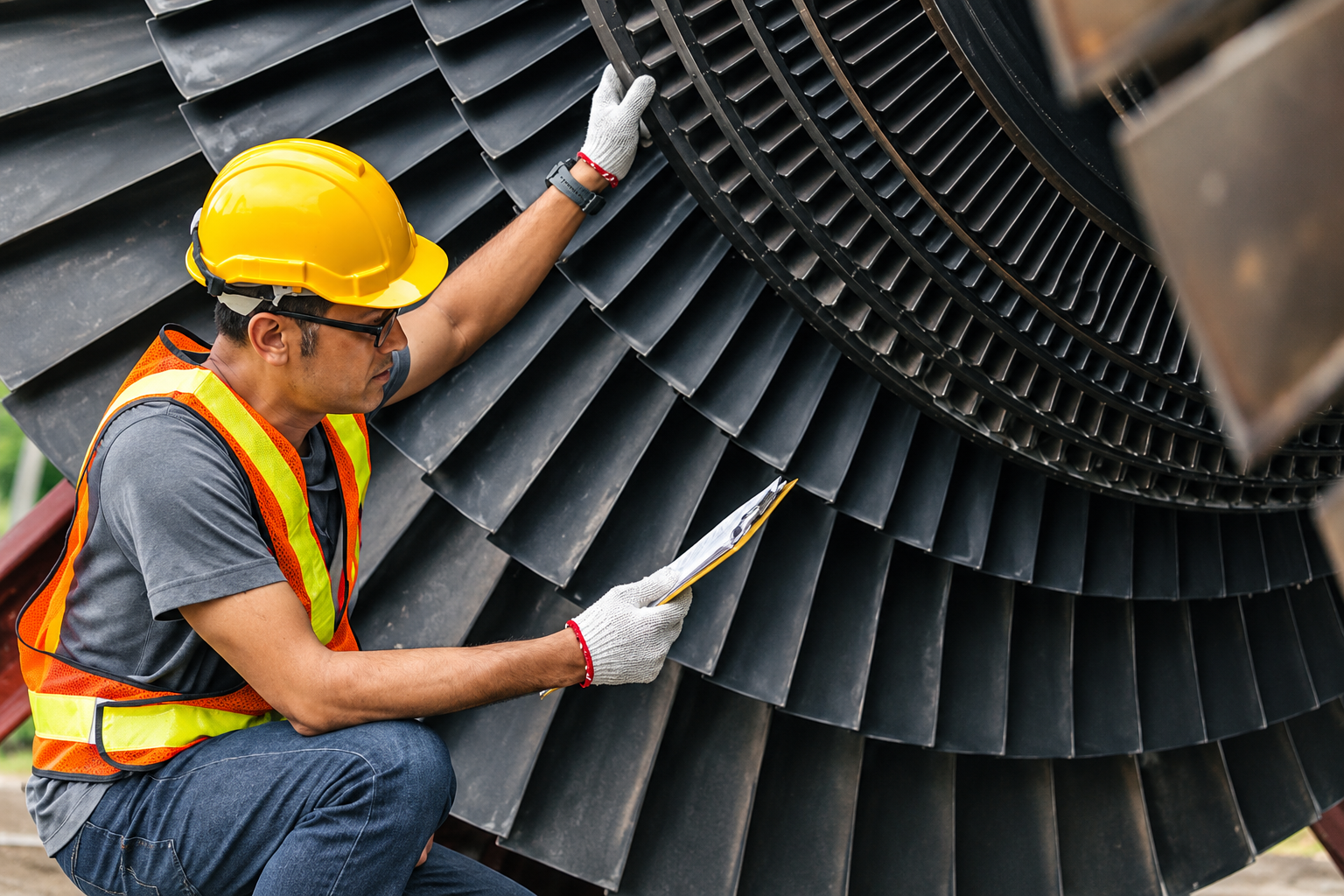
Steam turbines convert the energy of pressurised steam into mechanical rotation. Their performance depends on accurate alignment, suitable lubrication, balanced rotating components, and reliable control systems.
Maintenance teams monitor bearing temperatures, vibration levels, shaft alignment, oil quality, and unusual noise. Changes in these readings may indicate bearing wear, rotor imbalance, misalignment, or lubrication problems. Turbine blades, seals, and internal clearances also require inspection at suitable intervals.
Auxiliary equipment deserves the same attention. Condensate pumps, boiler feed pumps, cooling-water pumps, fans, and gearboxes support the main generation process. A failure in one of these systems can restrict output even when the boiler and turbine remain serviceable.
Lubricating oil should be sampled and tested according to an appropriate schedule. Contamination, moisture, and chemical degradation can affect bearing protection. Filters, couplings, seals, and motor connections should also be examined during planned maintenance.
Detailed maintenance records help engineers compare current readings with historical data and identify changes that may require investigation.
Managing Condensers, Pumps, and Heat-Transfer Systems
Condenser performance affects the efficiency of many steam power plants. Condensers convert exhaust steam from the turbine into water, allowing it to return to the feedwater cycle. Poor heat transfer or air leakage can increase turbine back pressure and reduce output.
Maintenance activities may include cleaning condenser tubes, checking cooling-water flow, inspecting tube integrity, and testing air-removal equipment. Cooling towers and associated pipework also need inspection for scaling, corrosion, leaks, and restricted flow.
Pumps should be checked for seal leakage, abnormal vibration, overheating, and changes in discharge pressure. Engineers must investigate unusual operating conditions rather than relying solely on fixed maintenance intervals.
Effective plant service and maintenance procedures coordinate inspections across interconnected systems, reducing the likelihood that a neglected auxiliary component will disrupt the entire plant.
Choosing the Right Maintenance Strategy
Power stations commonly combine preventive, predictive, and corrective maintenance.
Preventive maintenance follows a planned schedule. Tasks may include lubrication, filter replacement, calibration, cleaning, and routine inspection. It suits equipment with established service intervals and predictable wear patterns.
Predictive maintenance uses operating data and diagnostic techniques to estimate equipment condition. Vibration analysis, infrared thermography, oil analysis, and ultrasonic testing can reveal developing faults without dismantling machinery unnecessarily.
Corrective maintenance addresses defects after they have been identified. Prompt action is appropriate for faults that affect safety, reliability, or operating limits. However, repeatedly repairing the same problem without investigating its cause can increase downtime and expenditure.
A risk-based strategy helps determine which equipment requires frequent monitoring and which components can follow less intensive schedules. Critical boilers, turbines, protection systems, and feedwater equipment generally need carefully defined inspection and testing plans.
Working With Specialist Maintenance Teams
Some maintenance tasks require specialised equipment, technical expertise, or independent assessment. Organisations that engage plant maintenance companies should assess their experience with comparable equipment, safety procedures, workforce qualifications, and ability to document completed work.
Contractors may support turbine overhauls, boiler inspections, pump repairs, instrumentation calibration, electrical testing, and non-destructive examination. Clear work scopes help define responsibilities, inspection criteria, shutdown requirements, and acceptance standards.
Facilities may also engage field service providers for on-site troubleshooting, commissioning assistance, specialist repairs, and technical inspections. Before appointing a provider, plant managers should check relevant certifications, previous project experience, spare-parts availability, and emergency response arrangements.
Contractor coordination is particularly important during planned outages. Work permits, isolation procedures, lifting plans, confined-space controls, and communication between teams should be established before work begins. Each completed task should be checked against the approved scope before equipment returns to service.
Measuring Performance and Verifying Repairs
Maintenance teams need reliable evidence that equipment is operating correctly after repairs. Power plant performance testing can assess parameters such as heat rate, steam flow, turbine output, auxiliary power consumption, and condenser performance, depending on the plant design and test objective.
Comparing test results with baseline values helps engineers determine whether maintenance has restored expected performance. Test conditions, instrument accuracy, ambient conditions, and operating load must be considered before drawing conclusions.
Useful maintenance indicators include forced outage rate, equipment availability, repeat failures, maintenance cost per operating hour, and the time required to complete repairs. These measures can reveal recurring problems and help managers prioritise improvement work.
For complex maintenance of industrial plants, combining inspection findings with operating data gives engineering teams a clearer understanding of equipment condition and maintenance priorities. Findings should lead to practical actions, such as revising inspection intervals, improving lubrication practices, replacing vulnerable components, or correcting operating procedures.
Safety, Documentation, and Continuous Improvement
Safe maintenance starts with risk assessment and effective control of hazardous energy. Lockout and tagout procedures, pressure isolation, electrical safety, hot-work permits, and confined-space controls must be applied where required. Workers should understand the hazards associated with stored steam pressure, hot surfaces, rotating machinery, and chemical treatment systems.
Documentation is equally important. Maintenance logs should record inspection results, measurements, replaced components, identified defects, corrective actions, and approval for return to service. Accurate records support audits, warranty claims, outage planning, and future troubleshooting.
Plant managers should periodically review maintenance results and investigate repeated failures. Lessons from inspections, breakdowns, and performance tests can inform training, spare-parts planning, and equipment upgrades.
Maintaining Long-Term Plant Reliability
A reliable steam power plant depends on disciplined inspections, competent technicians, sound maintenance planning, and accurate performance records. Giving attention to boilers, turbines, condensers, pumps, and supporting systems helps reduce avoidable failures while maintaining safe operating conditions.
A structured maintenance of steam power plant programme should evolve with equipment condition, operating demands, inspection findings, and changing regulatory requirements. By addressing defects early and verifying repairs through suitable tests, plant operators can protect equipment, manage lifecycle costs, and maintain dependable power generation.